Entry #11: Recognizing Places
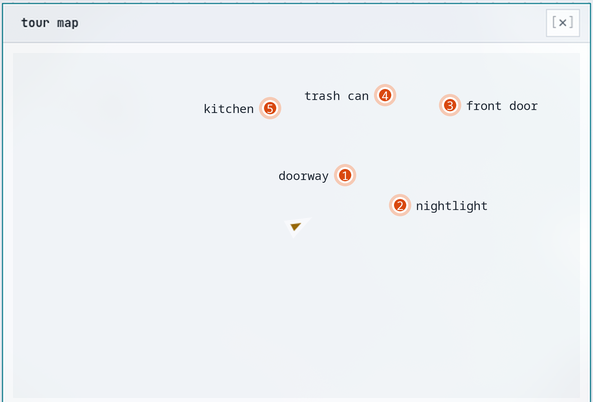
Omocube can now recognize, remember, and return to specific places. Navigation gave Omocube a way to get anywhere it was pointed, but a map on its own is only walls, furniture, and open floor. It has no idea which part of it is the kitchen and which is the hallway. For a place to mean something, Omocube has to be able to tell it apart from every other place.
How it recognizes a place
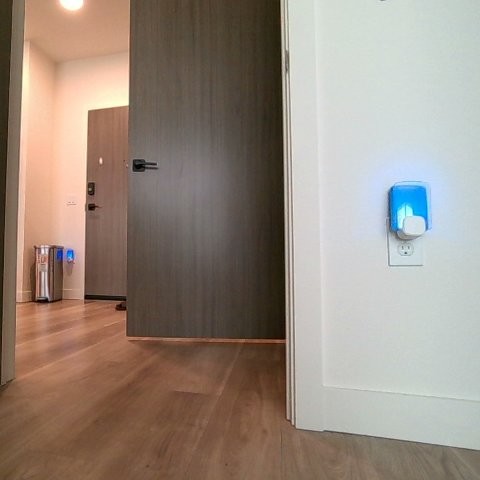
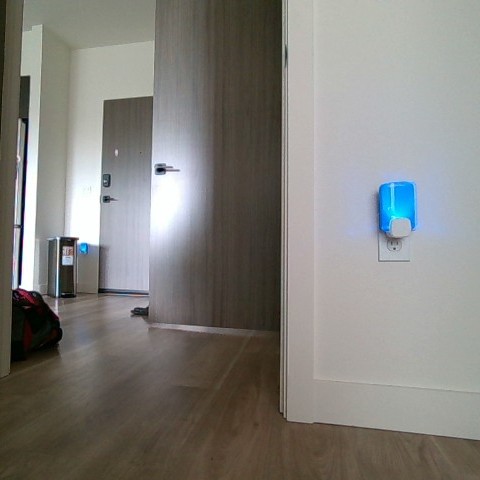
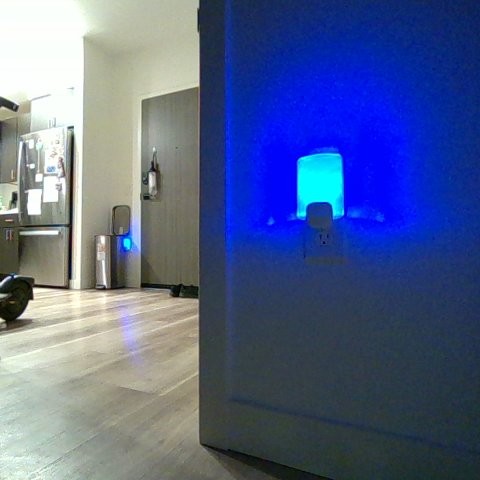
Instead of relying on where it is on the map alone, Omocube compares what it is looking at now against images it has seen before. It picks out distinctive features in each image, like the frame of a door, the glow of a nightlight, or the shape of a trash can, and looks for those same features in the earlier ones. When enough of them line up, it knows it has been here before. This is much like how a person recognizes a room by the things in it, rather than by where it sits on a floor plan.
Remembering and visiting
A place can be named and remembered, and from then on it becomes part of Omocube's memory like everything else it holds onto. When it is asked to go somewhere it has been, it can navigate there on its own.